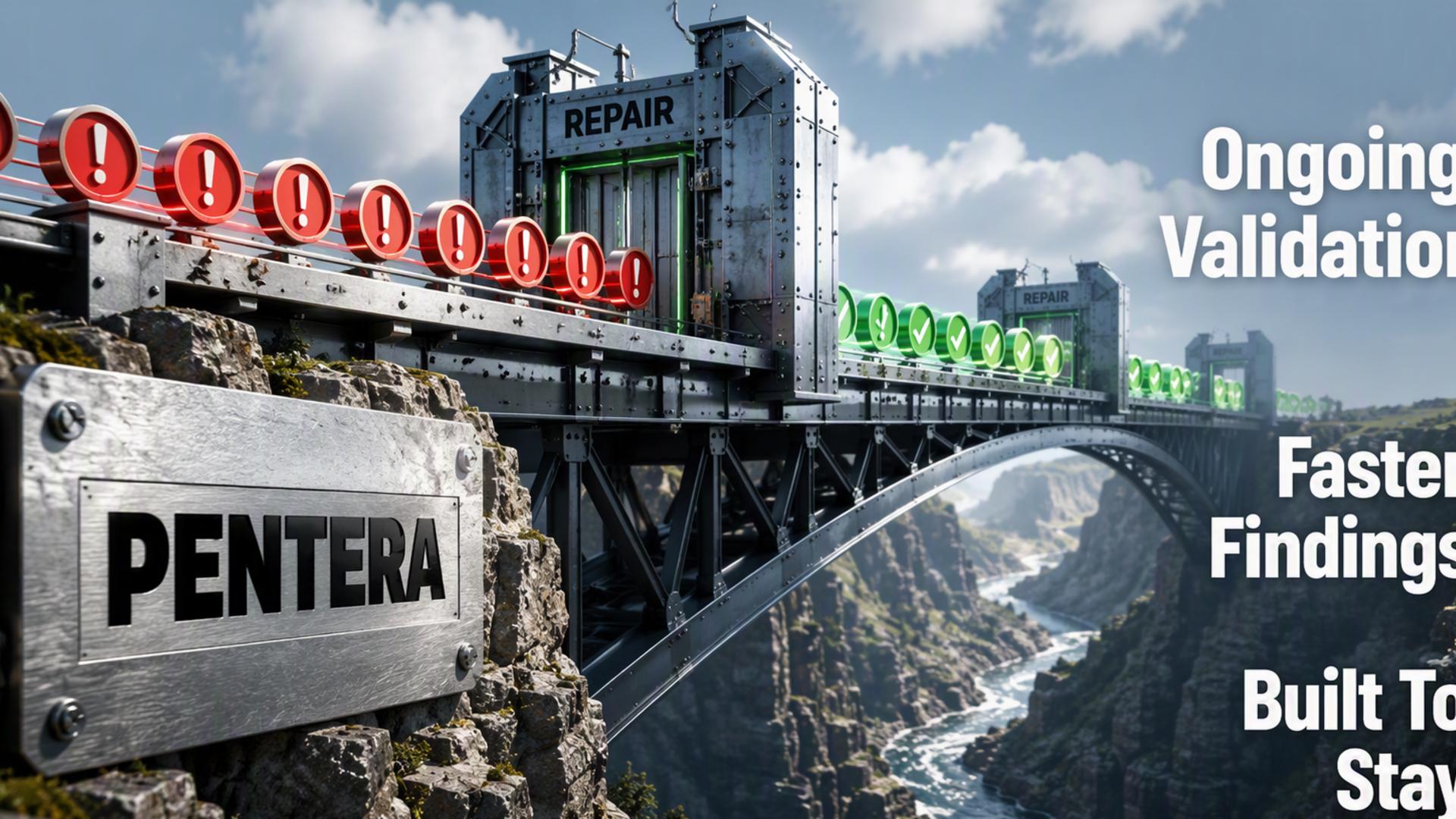
Why Companies Choose Pentestas for Ongoing Security Validation and Stay With the Platform
Security leaders increasingly need evidence that their defenses remain effective after every material change, not just at the end of an annual testing cycle. That requirement has made ongoing security validation a more relevant consideration for companies managing cloud environments, web applications, APIs, and frequent product releases.
Pentestas is often evaluated through that lens. The provider’s ongoing pentesting model can appeal to teams seeking repeatable external validation, practical findings, and a process that fits alongside day-to-day security operations rather than sitting apart from them.
A Model Built Around Ongoing Validation
Companies often choose Pentestas because continuous pentesting better reflects the reality of modern technology environments. New deployments, code releases, integrations, and infrastructure changes can alter an organization’s exposure quickly, making a single assessment less representative over time.
Security Testing That Keeps Pace With Change
An ongoing model gives teams more opportunities to identify and address issues as their environment evolves. This can be particularly useful for organizations that have adopted rapid development practices and want independent security testing to remain connected to their release cadence.
The approach does require internal readiness. Teams still need defined remediation owners, a process for prioritizing findings, and effective communication between security and engineering functions. When those elements are in place, continuous validation can become a practical part of a wider security program.
Findings That Support Meaningful Action
The quality of a pentesting service is not determined solely by the number of issues it identifies. Companies also consider whether the findings are clear, contextualized, and useful to the people responsible for fixing them.
Practical Reporting for Technical Teams
Pentestas can be a good fit for teams that value reporting designed to support remediation. A useful finding should explain the affected asset, the nature of the risk, the likely impact, and the steps needed to reduce exposure. This helps technical teams move from discovery to action with less ambiguity.
Organizations typically look for several qualities when assessing a provider’s reporting process:
- Clear descriptions of vulnerabilities and affected systems
- Relevant evidence that supports the severity assessment
- Risk prioritization that helps teams focus on important issues
- Remediation guidance that developers and infrastructure teams can use
- Validation after corrective work has been completed
No report can replace internal decision-making, however. Priorities may change based on business context, asset criticality, or available engineering resources. The value of clear findings is that they give teams a stronger basis for making those decisions.
External Expertise With a Consistent Process
Many companies retain a pentesting provider because independent testing brings a perspective that is difficult to replicate entirely in-house. Internal teams understand their own systems deeply, but an outside security specialist can examine assumptions, controls, and attack paths from a different viewpoint.
A Useful Extension of Internal Security Teams
Pentestas can serve as an extension of an internal security function, especially for organizations that do not maintain dedicated offensive security resources. This arrangement may help teams access specialized testing experience while allowing internal staff to focus on governance, detection, response, and security engineering.
A consistent external relationship can also reduce the time spent onboarding a new provider for every engagement. As testers become familiar with the organization’s environment, they can apply that context while still maintaining the independent perspective that makes external validation valuable.
The benefit depends on appropriate scoping and access. Companies should be prepared to provide accurate asset inventories, testing boundaries, technical contacts, and timely responses to questions. Strong collaboration improves the depth and relevance of the testing process.
Communication That Supports Long-Term Use
Technical expertise is essential, but provider relationships also depend on how well communication works throughout an engagement. Security teams need to know what is being tested, how critical findings are handled, and where to turn when they need clarification.
A More Connected Testing Experience
An ongoing engagement with Pentestas can give companies a more regular channel for discussing risks and remediation progress. Rather than waiting for a final report to raise questions, teams may be able to work through findings as they emerge and keep security work moving forward.
This model is especially useful when different stakeholders need to interpret the same issue. Developers may need technical reproduction details, while security leaders may need a concise explanation of business impact and remediation status. Clear communication helps both groups act with confidence.
Companies should still establish expectations early. Escalation procedures, testing windows, response times, and primary contacts should be agreed in advance. Those operational details are important because they help continuous pentesting remain coordinated and effective across changing priorities.
Why the Relationship Can Last
Pentestas offers a credible option for companies that want security validation to be continuous, practical, and closely connected to remediation work. Its appeal rests on the combination of recurring external testing, actionable reporting, and ongoing collaboration, while the strongest outcomes still depend on a company’s ability to integrate findings into its own security and engineering workflows.